

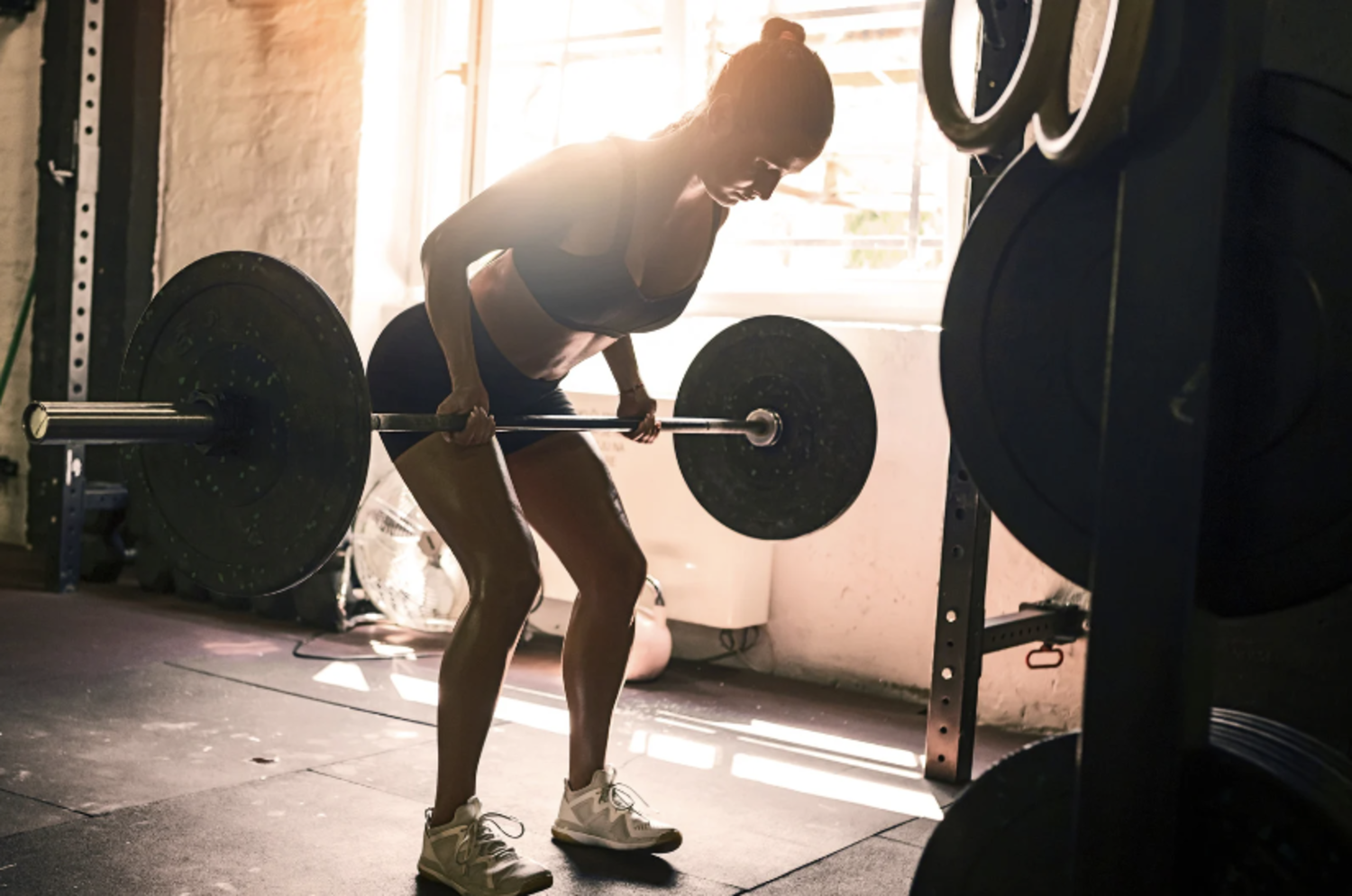
Weightlifting has surged in popularity among women, and for good reason. It offers a powerful pathway to building strength, enhancing metabolism, improving bone density, and boosting overall confidence. However, as women progress in their lifting journey, they often encounter a common obstacle: grip strength.
While natural hand strength plays a role, relying solely on it can limit progress, lead to discomfort, and even increase the risk of injury. This is where weightlifting grips for women step in as invaluable tools, offering a multitude of benefits specifically tailored to the needs and goals of female lifters.
Enhanced Grip Strength and Confidence
Perhaps the most immediate and noticeable benefit of weightlifting grips is the significant enhancement they provide to grip strength. Women frequently have less upper body strength than men, which can be a limiting issue when lifting greater weights in exercises such deadlifts, pull-ups, rows, and even squats where a firm grip is vital.
Grips act as an extension of the hand, creating a more secure and reliable connection with the barbell, dumbbell, or pull-up bar. This allows women to:
- Lift heavier weights: By mitigating grip fatigue, lifters can focus on engaging the target muscles more effectively and push past plateaus they might otherwise encounter due to a failing grip.
- Perform more repetitions: A stronger grip allows for sustained effort, enabling more repetitions and thus greater muscle stimulation and endurance gains.
- Feel more confident: Knowing their grip is secure empowers women to approach heavier lifts and challenging exercises with greater assurance, fostering a more positive and progressive training experience.
Reduced Risk of Injury and Discomfort
Beyond simply enhancing performance, weightlifting grips play a crucial role in injury prevention and comfort. Poor grip can lead to compensations in form, placing undue stress on other joints like the wrists, elbows, and shoulders. Grips help to:
- Maintain proper form: A secure grip allows for better control over the weight, ensuring the intended muscles are engaged correctly and reducing the likelihood of improper movements that can lead to strains or sprains.
- Support wrist stability: Some types of grips, particularly those with wrist wraps, offer additional support to the wrist joint. This is especially beneficial during heavy compound movements where the wrists can be subjected to significant stress.
Improved Mind-Muscle Connection
A secure grip facilitated by lifting straps can also enhance the mind-muscle connection. When the focus isn’t solely on maintaining a hold on the weight, women can better concentrate on the contraction and engagement of the targeted muscle groups. This can lead to:
- More effective muscle activation: By eliminating grip fatigue as a distraction, lifters can consciously squeeze and control the weight with the intended muscles, leading to greater muscle fiber recruitment.
- Greater satisfaction and results: Feeling a stronger connection with the working muscles can make workouts more engaging and ultimately lead to better physique development and strength gains.
Choosing the Right Grips
The market offers a variety of weightlifting grips, each with its own features and benefits. Some common types include:
- Basic lifting straps: These are typically made of nylon or leather and loop around the wrist and the bar, providing a secure connection.
- Padded grips: These offer cushioning and protection for the palms, reducing discomfort and preventing calluses.
- Hook grips: These specialized grips feature a hook that wraps around the bar, offering maximum grip strength for heavy lifts.
- Grip pads: These are small, textured pads that provide a non-slip surface and some cushioning.
- Gloves with integrated grips: These offer full hand coverage and often feature textured palms for enhanced grip.
- Wrist wraps with integrated straps: These combine wrist support with grip assistance.
The best type of grip will depend on individual preferences, the types of exercises performed, and the level of support needed.
Conclusion: Investing in Your Progress
Weightlifting grips are more than just a piece of gym equipment; they are a valuable investment in a woman’s strength training journey. By enhancing grip strength, reducing the risk of injury, improving the mind-muscle connection, and offering versatility across various exercises, grips empower women to lift heavier, train more effectively, and ultimately achieve their fitness goals with greater confidence and comfort. Embracing these tools can unlock new levels of strength and progress, solidifying weightlifting as a sustainable and rewarding part of a healthy lifestyle for women.
