






Medically reviewed by Shahzadi Devje, Registered Dietitian (RD) & Certified Diabetes Educator (CDE)
Reversing insulin resistance is a topic of much debate. Some experts believe that it is possible to heal insulin resistance through lifestyle and diet changes, while others are not so sure. So, what is the verdict?
Can you really reverse insulin resistance?
This article explores risk factors, symptoms, and intervention options for managing insulin resistance. Continue reading to learn how insulin resistance can lead to type 2 diabetes and the best diet to potentially reverse insulin resistance. As a registered dietitian and certified diabetes educator, I delve into the foods that contribute to insulin resistance and provide examples of foods to prioritize.
Contents
- What is Insulin Resistance?
- What can cause type 2 diabetes
- Risk factors for insulin resistance
- Symptoms of Insulin Resistance
- What are normal insulin values?
- How does insulin resistance lead to diabetes?
- What foods cause insulin resistance?
- Best diet for insulin resistance
- Reversing insulin resistance and improving insulin sensitivity
What is Insulin Resistance?
Getting to grips with insulin resistance requires an understanding of normal insulin functioning.
Insulin is a hormone that plays many important roles in your body, particularly in controlling blood glucose or sugar levels. Simply put, insulin acts like a key, allowing excess blood sugar to enter cells for energy or storage (liver, muscle and fat cells).
Insulin resistance is when your body’s cells struggle to respond to insulin. As a result, this drives a build-up of sugar in your blood.
And this chain of events may eventually cause type 2 diabetes.
What can cause type 2 diabetes
Type 2 diabetes develops when your body cannot make good use of the insulin it releases or the β-cells of the pancreas fail to produce insulin.
In the first scenario, your pancreas is triggered to release more insulin – to lower blood sugar levels and achieve balance.
Excess insulin in the blood (hyperinsulinemia) forces your body to convert glucose (blood sugar) into fat while depriving body cells of glucose (energy).
Over time, this takes a toll on your pancreas – causing damage and impairing insulin production.
So blood sugar levels continue to rise during this time.
Uncontrollable glucose levels can wreak havoc on your body and cause significant damage, particularly to nerves and organs.
When your blood sugar levels exceed specific criteria, you could be diagnosed with type 2 diabetes.
It is well established that insulin resistance is a hallmark of type 2 diabetes and is believed to precede the condition by ten to fifteen years.
Risk factors for insulin resistance
Even though researchers don’t know precisely how insulin resistance develops, several mechanisms have been put forward. For instance, high visceral adiposity (excess fat around the organs), malnutrition, and genetic abnormalities have been linked with insulin resistance.
So what is the main cause of insulin resistance? Outlined below are some of the leading risk factors you should be aware of:
Excess body fat
Though the scientific literature is rife with the term “obesity,” I avoid using it as much as possible. The word has been demonized in our society and is often used to judge and shame people – when, in reality, it’s a complex issue with many underlying factors at play.
Higher belly fat has been linked to reduced insulin sensitivity in numerous studies. For example, it has been observed that most folks with insulin resistance have higher weights.
This might suggest that weight contributes to insulin resistance.
Regardless, some researchers argue that weight isn’t necessarily an indicator of insulin resistance or “health.” In fact, they suggest that metabolic health should be the focus instead.
Excess fat secretes various hormones and inflammatory molecules interfering with insulin signalling. In other words, these substances make it harder for your body to respond to insulin.
Metabolic health is determined by assessing various factors such as blood pressure, blood sugar levels, and triglyceride (fat) levels. These assess your risk of developing insulin resistance or type 2 diabetes.

Diet high in fat and sugar
Growing evidence shows that diet is highly influential in developing poor metabolic health and insulin resistance. The amount and nutritional density of foods are important.
Researchers have found that diets high in fat and sugar are associated with insulin resistance. For example, regular consumption of soft drinks high in sugar and chemicals exacerbates insulin resistance. Furthermore, a high intake of red meat, sweets, and fried food may increase the risk of insulin resistance and type 2 diabetes.
Certainly, a higher intake of vegetables has been linked with a reduced risk of type 2 diabetes and lower insulin resistance. That’s because vegetables are rich in nutrients, dietary fibre, and antioxidants that support blood sugar balance — whilst serving as a protective barrier against disease.
I often get asked: What are good carbs for a diabetic to eat?
Indeed, a diet high in refined carbs has been linked with insulin resistance and type 2 diabetes. That’s because refined carbs are rapidly absorbed into the bloodstream, resulting in a spike in blood sugar levels. Meanwhile, your body responds by releasing large amounts of insulin to bring blood sugar back to a healthy level.
That being said, carbs aren’t “evil,” — and your body needs them for energy. The key is to consume complex carbs mindfully — in the amounts that suit your body, activity levels, and goals.
Sedentary lifestyle
Inactivity should be regarded as a fundamental risk factor for insulin resistance. So far, here’s what we know:
- If you have impaired glucose tolerance, regular exercise – combined with diet and other lifestyle modifications – can reduce your risk of diabetes by 58%. This is likely because your muscles are active and mobilize stored sugar for energy. In other words, exercise helps keep your blood sugar levels in check.
Impaired glucose tolerance is when blood sugar levels are higher than usual but not high enough to be classified as type 2 diabetes. However, having impaired glucose tolerance substantially raises your chances of developing type 2 diabetes.
- Physical activity that is moderate to vigorous intensity has been linked with better β-cell function, insulin sensitivity, and blood sugar balance.
- Adults should engage in moderate-intensity aerobic physical activity for 150 minutes per week or vigorous-intensity aerobic physical activity for 75 minutes per week. This activity should be done in sessions lasting at least 10 minutes. Additionally, adults should do muscle-strengthening activities that involve major muscle groups on two or more days a week.

Family history
Insulin resistance and type 2 diabetes tend to run in families. In fact, research suggests that genes play a significant role.
While there is no diabetes gene that can be turned on or off, several genes have been implicated with increased risk.
That said, it doesn’t mean you’re doomed to develop insulin resistance or type 2 diabetes if it runs in your family. It does, however, increase your likelihood of developing these conditions.
What’s more, studies have noted high-risk groups, including those of African American descent, Asians, Latin Americans, Native Americans, and Pacific Islanders.
Gestational diabetes also referred to as pregnancy-induced diabetes, raises the risk of developing insulin resistance and type 2 diabetes in the long run. Mild insulin resistance is considered a part of pregnancy, aiding the fetus’ glucose supply. If severe enough, though – it might lead to diabetes.
Other contributing risk factors
There are other potential risk factors for insulin resistance, including:
- medications (glucocorticoids, anti-adrenergic, protease inhibitors, atypical antipsychotics, and some exogenous insulin)
- high sodium diets
- glucose toxicity
- lipotoxicity from excess circulating free fatty acids
Symptoms of insulin resistance
So what are the symptoms of being insulin resistant?
Although in the early stages, insulin resistance may not cause any symptoms, as it progresses to prediabetes, you might experience:
- increased appetite
- unexplained weight fluctuations
- fatigue
- blurred vision
- recurrent skin infections
- slow healing of cuts and bruises
It’s also important to remember that, in most cases, insulin resistance doesn’t have a set of apparent signs and symptoms.

Typically, insulin resistance is characterized by high blood sugar levels, elevated triglycerides (a type of blood fat), increased LDL cholesterol, and low HDL cholesterol.
At the same time, research suggests that some folks with insulin resistance could develop Acanthosis nigricans. This type of skin condition results in dark patches on the folds and creases of the body.
While the list of symptoms above may suggest insulin resistance syndrome or even prediabetes, it is not a comprehensive one. Many folks with insulin resistance have minor or no symptoms. More importantly, the best approach to figure it out is to contact your doctor or health professional.
What are normal insulin values?
Insulin resistance tests are conducted to confirm a diagnosis.
Although there are numerous ways to do so, fasting insulin and glucose tests are the most commonly used.
Normal fasting insulin level ranges vary somewhat between laboratories, but most experts find less than 20 mIU/mL acceptable.
On the other hand, according to the University of Rochester Medical Center, a normal test of free insulin is less than 17 microU/mL.
What’s more, blood insulin levels may increase in response to varied carbohydrate meals. The following table displays typical insulin levels in response to glucose administration.
| Insulin level | Insulin level (SI units*) | ||
| Fasting | <25 mIU/L | ||
| 30 minutes after glucose administration | 30-230 mIU/L | ||
| 1 hour after glucose administration | 18-276 mIU/L | ||
| 2 hours after glucose administration | 16-166 mIU/L | ||
| >/=3 hours after glucose administration | <25 mIU/L |
Some people need more insulin than normal to stabilize their blood sugar levels — a condition known as hyperinsulinemia. It often happens with insulin resistance.
How does insulin resistance lead to diabetes?
If you’re insulin resistant, your body can’t use insulin effectively. As a result, glucose (sugar) builds up in your bloodstream rather than being used for energy by your cells.
What this means is that glucose remains in your blood, resulting in excessively high blood sugar levels. Because of this, type 2 diabetes can develop over time. Fatigue, increased urination (polyuria), vision impairment, increased thirst (polydipsia) and intense hunger are just a few of the symptoms you may notice.
Excess glucose in your circulation can harm your heart, kidneys, eyes, and nerves. This is why it’s critical to prevent or treat insulin resistance and prediabetes through lifestyle modifications. If you have been diagnosed with type 2 diabetes, it’s essential to avoid developing diabetes complications by adopting health-promoting behaviours.
Insulin resistance is on the rise, particularly in developing nations and even younger populations. According to researchers, the prevalence ranges from 20 to 40% in various groups.
What foods cause insulin resistance?
It’s important to bear in mind that many factors can contribute to insulin resistance, including your lifestyle choices, metabolic health, genes and diet. These interact in a complex web that’s not fully understood.
Having said that, foods high in refined carbs and sugar are thought to be some of the biggest dietary contributors to insulin resistance.
That’s because they cause spikes in your blood sugar levels, leading to higher insulin levels. Over time, this can contribute to insulin resistance.
Refined carbs are found in ultra-processed foods like:
- white bread
- pasta
- crackers, and pastries
- soda
- sports drinks, and
- other sugary beverages

Additionally, saturated fats have been implicated in triggering insulin resistance.
Saturated fats are found in animal products like:
- red meat
- milk
- cheese
- yogurt
- butter and ghee (clarified butter)
- sausages
- salami
- bacon
- cakes
- biscuits
- coconut oil
- palm oil
Switching saturated fats with unsaturated fats, such as those found in healthy cooking oils (olive oil) or foods like nuts and seeds, has been shown to improve insulin resistance.

Best diet for insulin resistance
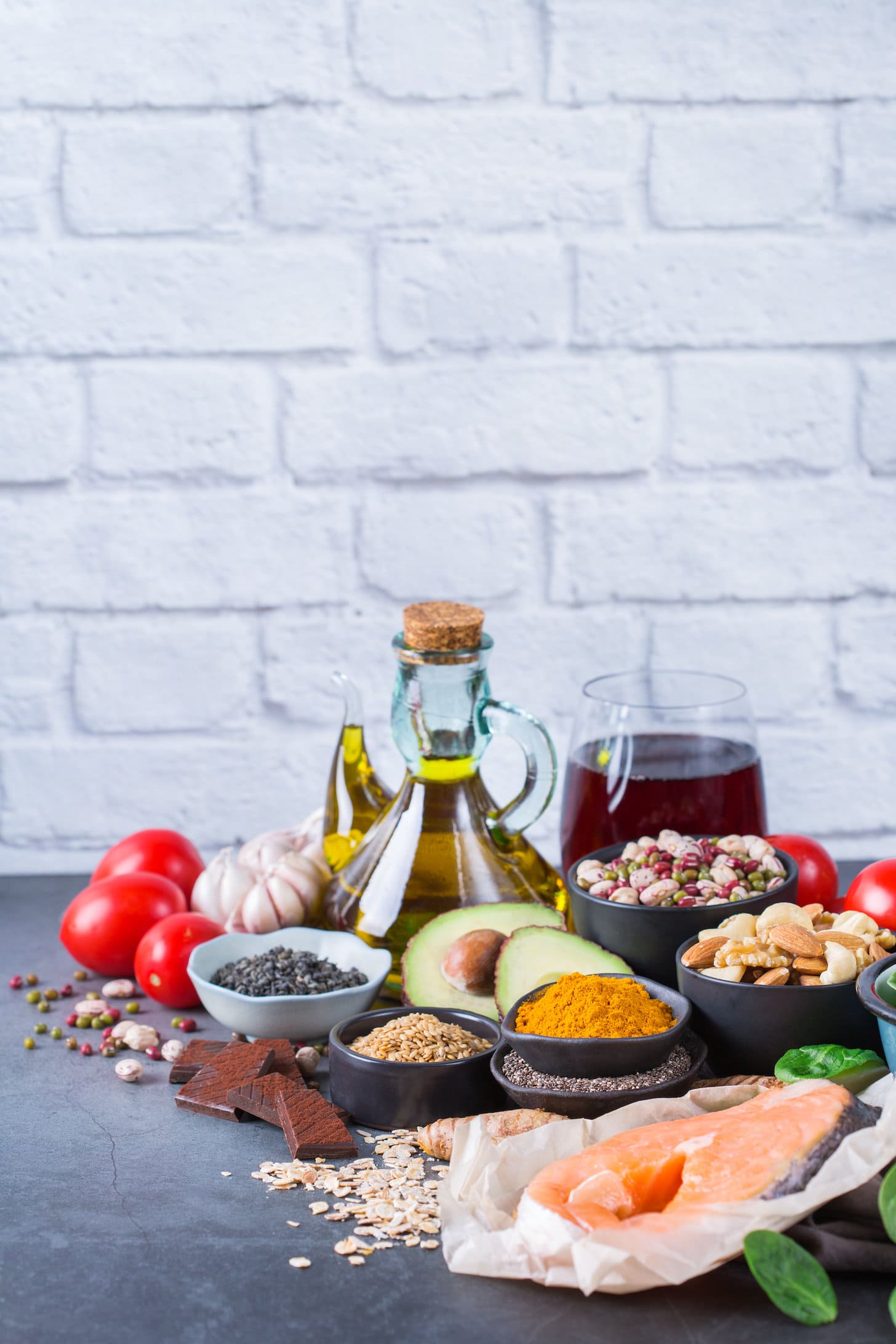
The best diet for insulin resistance minimizes blood sugar spikes and focuses on whole, minimally processed foods.
Cutting down on refined carbs and sugar is an excellent place to start. This could mean swapping sugary beverages for water, reducing your intake of ultra-processed snacks, and choosing whole grain alternatives to white bread, pasta and atta (chapati flour).
Including more healthy fats in your diet, like those found in olive oil, nuts and seeds, can also help to improve insulin resistance.
And finally, getting plenty of dietary fibre from vegetables, fruits, beans and lentils is thought to help as well. This is because dietary fibre helps to slow down the digestion of carbs and the absorption of sugar into the bloodstream.
In a nutshell, reducing your intake of animal products while increasing your consumption of a whole food, plant-based diet (WFPB) may help with increasing insulin sensitivity and reduce your risk of developing prediabetes and type 2 diabetes.
What foods should I eat to prevent and potentially reverse insulin resistance?
Specifically, eating high-fibre foods like fruits, vegetables, and legumes are beneficial since they slow down digestion and relieve strain on the pancreas.
Foods rich in dietary fibre
The following are some excellent examples of foods high in dietary fibre:
Fibre can be divided into two categories; soluble and insoluble. Insoluble fibre mainly acts as an agent to help bowel movements, while soluble fibre is responsible for slowing digestion and increasing healthy gut bacteria linked to increased insulin sensitivity.
Lean sources of protein
It’s best to avoid processed meats like sausage, bacon and salami as they contain saturated fats that can contribute to insulin resistance. Some lean options to consider adding to your diet are:
- Skinless chicken or turkey
- Fish like tuna and salmon
- Plant-based options like legumes (beans, lentils, chickpeas, peas)
Healthy wholegrains
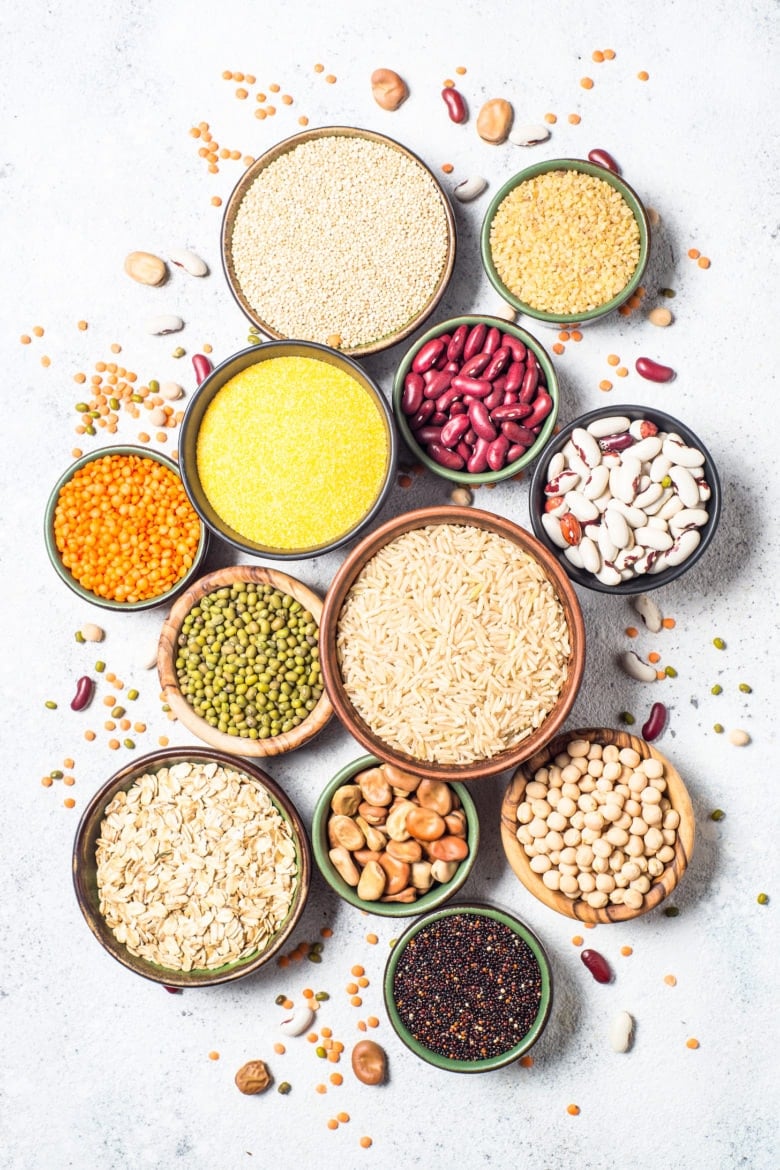
There are many types of healthy whole grains, but some of the most common ones include:
Antioxidant-rich foods
Antioxidants are important nutrients that help to scavenge harmful toxins called free radicals from the body. Free radicals can damage cells and lead to chronic inflammation, which is a contributor to insulin resistance. Some excellent sources of antioxidants include:
One review of thirty recent studies highlighted the adverse impact of high consumption of highly processed foods on metabolic health, including cardiovascular diseases and death.
Thus, it’s important to avoid or limit refined carbs, and sugary foods as these are thought to be some of the most significant dietary contributors to insulin resistance.
If you need help getting started on a WFPB diet, consider reviewing my complete guide to a WFPB diet.
How to reverse insulin resistance and improve insulin sensitivity
You can do a few things to increase your insulin sensitivity and, perhaps, reverse insulin resistance.
Include more soluble fibre in your diet
Including more soluble fibre in your diet can help to improve insulin resistance by:
- Slowing down the digestion of carbs
- Reducing blood sugar spikes
- Feeding the healthy gut bacteria – linked to increased insulin sensitivity
In fact, higher soluble fibre consumption has been linked to improved insulin sensitivity in several studies (here, here and here).
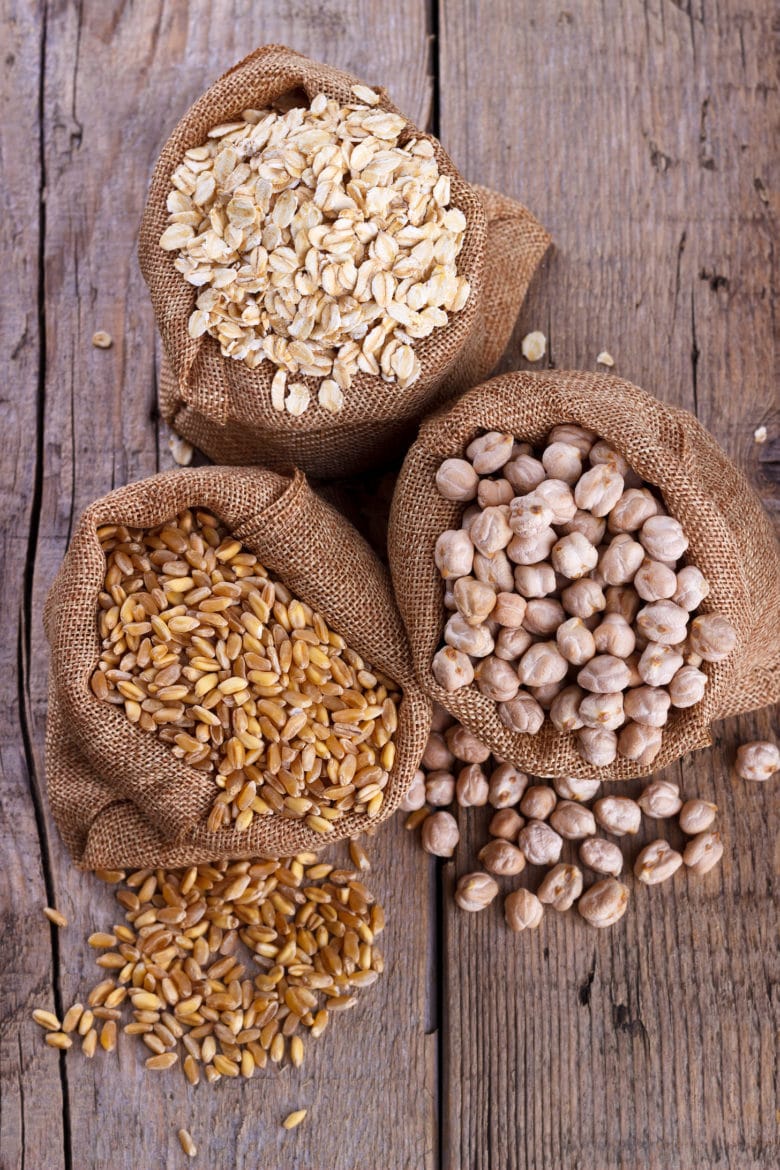
Soluble fibre is a type of fibre found in plant foods that can dissolve in water to form a gel. This fibre is important for maintaining gut health and reducing the risk of diseases like insulin resistance and type 2 diabetes. Soluble fibre is found in various plant-based foods, including beans, lentils, chickpeas, peas, oats, fruits and vegetables, and flax seeds.
Exercise regularly
Exercise has many benefits, one of which is improved insulin sensitivity. In fact, growing evidence suggests that exercise may be one of the most effective interventions.
What are the current findings?
First, exercise has a positive effect on insulin sensitivity — especially for folks who exercise more or incorporate intense forms of exercise like high-intensity interval training (HIIT) or sprint interval training (SIT). That’s because these lifestyle choices have the greatest insulin sensitivity benefits.
Second, the combination of aerobic exercise and resistance training may be more effective than doing just one type of exercise.
As well, you can also get more benefits from exercise by changing your diet and eating well.
Additionally, molecular research has found that key signalling molecules and proteins are influenced by exercise. These molecules are responsible for the changes that occur in insulin resistance.
If you’re not used to exercising, start slowly and gradually increase the intensity and duration of your workouts over time.
Whether hiking, yoga or pumping iron at the gym, getting at least 30 minutes of exercise every day can help promote healthy insulin function.
Reduce belly fat and improve metabolic health
Carrying excess fat, especially around your waist, is a risk factor for insulin resistance. That’s because abdominal fat cells release chemicals that can disrupt the way your body uses insulin.
It follows that reducing abdominal fat improves insulin sensitivity.
Get a handle on stress
Chronic stress can lead to insulin resistance by triggering the release of stress hormones like cortisol. These hormones make your body more resistant to the effects of insulin.
Some research suggests that relaxation techniques, like yoga and meditation, may help to reduce stress and improve insulin sensitivity (here, here, and here).
While you may not be able to avoid all sources of stress in your life, finding ways to manage it can help keep improve insulin sensitivity.

Pay attention to the glycemic index of foods
The glycemic index (GI) measures how much a food raises your blood sugar levels.
Eating foods with a high GI can cause spikes in your blood sugar levels, put a strain on your pancreas, fueling a cascade of events that could lead to insulin resistance over time.
On the other hand, eating foods with a low GI may help improve insulin sensitivity.
There are many factors that affect the GI of a food, including the type of starch, cooking methods, and the presence of fat or fibre.
In general, foods that are high in refined carbs, like white bread and sweets, have a higher GI than whole grain products, fruits, and vegetables.
Cut back on added sugars and refined carbs
Sugar, specifically added sugars, is a significant contributor to insulin resistance.
These sweeteners are found in many highly processed foods and can cause spikes in blood sugar levels, which can contribute to insulin resistance over time.
To cut back on added sugars, avoid or limit sugary drinks, like soda and fruit juice, and limit ultra-processed foods containing them.
Establish sleep hygiene
Getting enough quality sleep is key for maintaining insulin sensitivity.
That’s because sleep deprivation can lead to hormonal imbalances that can disrupt your body’s ability to use insulin.
Fortunately, there are a few things you can do to improve your sleep.
Create a relaxing environment in your bedroom, stick to a regular sleep schedule, avoid caffeine and alcohol before bedtime, and limit your exposure to blue light in the evening. Here are some more natural ways to fall asleep.

Final thoughts
While there are many risk factors for insulin resistance, there are also things you can do to reduce your risk or improve your insulin sensitivity. These include exercise, reducing stress, eating a nutrient-rich diet, getting enough sleep, and limiting sugary and highly processed foods.
By making these lifestyle changes, you can help improve insulin sensitivity, prevent insulin resistance, keep your insulin levels in check and improve your overall health.
If you think you may be insulin resistant, speak to your doctor about getting tested. If you’re diagnosed with insulin resistance, prediabetes or type 2 diabetes, you may want to consider D-School. Beating Type 2. Desi~licious style. by Shahzadi Devje
Desi~liciously Yours,

This article was written in collaboration with Roohi Devje. Roohi is a first-year Health Sciences student at McMaster University, Canada. She enjoys writing about health and nutrition and aspires to become a medical doctor and researcher.