

Key Takeaways
Plasma donations are influenced by biological recovery requirements, necessitating a careful balance between how frequently one can donate and the donor’s overall health. Remarkably, plasma replenishment typically occurs within 24 to 48 hours, underscoring the importance of adequate recovery time.
Experts suggest a donation frequency of every two weeks to prioritize the health of donors while adequately maintaining plasma supplies for medical purposes. In some cases, donors may even give plasma up to twice a week, depending on their health and local regulations.
Regular plasma donation doesn’t just help others; it comes with health benefits for donors. These include enhanced immune function, reduced blood pressure, and improved cholesterol levels. Additionally, many donors report feeling a psychological uplift following their contributions, contributing to greater mental well-being.
The impact of plasma donations on community health is profound, providing essential treatments for a range of medical issues. A single donation has the potential to generate up to 18 life-saving products, clearly illustrating how crucial donors are within the healthcare framework.
To ensure safety for donors and the quality of plasma collected, strict regulations are in place. These include thorough health screenings and sanitation practices at donation facilities. Such measures instill confidence in donors, promoting safer and more reliable donation experiences.
Factors influencing eligibility for plasma donation include age, weight, medical history, and any current medications. Open dialogue with medical personnel can address any health-related queries that may impact donation eligibility.
Preparation before donation is key to ensuring an optimal experience. Hydrating well and consuming nutritious meals before donating can enhance plasma volume and improve comfort throughout the process. Equally vital is adhering to post-donation rest and dietary guidelines to facilitate recovery.
Understanding Plasma Donation Frequencies: What You Should Know
The Science Behind Donation Timing
The timing for donating plasma involves more than just scheduling; it requires balancing biological recovery with physiological readiness. Plasma, primarily made up of water, electrolytes, and proteins, can have its delicate composition temporarily altered during the donation process. For professionals, grasping these subtleties is critical to optimizing donations and ensuring the donor’s safety. Timing not only affects the health of the donor but also impacts the quality and quantity of plasma collected.
In fact, plasma is usually replenished within 24 to 48 hours after donation. The body needs a sufficient recovery period. Scientific evidence supports that this recovery phase is vital in maintaining good health. So, how often can you donate plasma? Health authorities recommend a donation every two weeks, a timeframe that fosters donor wellness and ensures enough plasma is available for patients in need.
How Often Can You Safely Donate Plasma?
Most experts agree that individuals can safely donate plasma up to twice a week, yet regulations can differ based on various factors including location, health status, and facility guidelines. It’s crucial for donors to familiarize themselves with their individual health profiles. Health screenings play a vital role in assessing eligibility for plasma donation. Concerns about possible side effects are common among clients, but it’s important to remember that such effects are usually minimal when guidelines are followed closely.
Awareness of one’s health history is paramount. A person well-hydrated tends to recover more quickly than someone who is not. Adhering to safety protocols isn’t merely a suggestion – it’s an essential practice for ensuring donor safety and comfort. Staying informed ensures a smooth and rewarding donation experience.
Health Benefits of Regular Plasma Donation
Physical and Emotional Advantages for Donors
Regular plasma donation can result in significant health perks for donors. Since plasma is rich in proteins and antibodies that combat infections, donating can successfully stimulate the body’s immune system. This is where the concept of giving back extends beyond the act itself; it yields positive health impacts for the donor. Many clients feel a sense of fulfillment after donating, which fosters a psychological boost beneficial to their mental health.
And there’s more. Studies have shown that those who donate plasma routinely often experience lower blood pressure and healthier cholesterol levels. This not only aids their personal health but also contributes positively to community health at large. Amid ongoing health challenges, numerous professionals advocate for plasma donations as a preventative health measure.
The Impact of Plasma Donation on Community Health
On a larger scale, the plasma donation process plays a key role in enhancing community health. Plasma-derived therapies are crucial in addressing conditions such as hemophilia, immune deficiencies, and severe burns—situations that require a reliable supply. Each donation can serve as a lifeline for those facing serious health challenges.
“Each plasma donation can save multiple lives – it’s a powerful way to make a difference for those in need.”
Consider this: a single donation can lead to the creation of as many as 18 life-saving products. This illustrates how deeply interconnected the actions of donors are with the well-being of the community. Healthy community health initiatives rely on well-stocked plasma centers; therefore, donors become essential players in the healthcare system.
Working through Plasma Donation Guidelines
Regulatory Standards and Safety Protocols
The regulatory framework surrounding plasma donation is meticulously designed to prioritize donor safety and the quality of collected plasma. Donation facilities comply with rigorous standards imposed by health authorities. This includes screening donors for blood pressure, hemoglobin levels, and overall health assessments. Each procedure not only protects the donor but also ensures that the plasma collected meets the necessary quality benchmarks for medical use.
In addition, plasma centers enforce strict sanitation procedures. Everything from sterilizing equipment to handling procedures is critically important. These safety measures are universally applied across reputable donation centers. By following these protocols, donor confidence is reinforced, providing reassurance that they are contributing safely.
What Factors Determine Your Donation Eligibility?
Several factors influence a person’s eligibility to donate plasma. Age, weight, and medical history play essential roles. Most centers stipulate that donors must be at least 18 years old and weigh a minimum of 110 pounds. Additionally, specific medical conditions, like blood disorders, may restrict eligibility. It’s imperative for donors to engage openly with medical staff to pinpoint any concerns regarding their donation status.
- Age and Weight: A minimum age of 18 years and a weight of at least 110 pounds are standard requirements.
- Health Conditions: Pre-existing conditions, such as heart problems or blood disorders, can impact eligibility.
- Medication: Certain medications may disqualify donors, so it’s vital to disclose all current prescriptions.
Donors should also keep travel history in mind, as recent travel to areas with disease outbreaks may disqualify them. Staying informed about one’s health and current guidelines makes the donation process smoother.
Maximizing Your Plasma Donation Experience
Pre-Donation Tips for Optimal Results
Proper preparation can greatly enhance the plasma donation experience. Staying hydrated before donation is crucial. Drinking sufficient water can increase plasma volume and lessen potential side effects. Additionally, a well-balanced, nutritious meal about two hours prior to the donation can stabilize blood sugar levels, leading to a more comfortable experience.
- Stay Hydrated: Drink water in the hours leading up to the appointment.
- Eat Well: Focus on protein-rich foods to create a balanced meal before donating.
- Avoid Alcohol: Abstain from alcohol for at least 24 hours before donation.
These straightforward yet effective strategies can yield impressive results. Clients frequently report feeling significantly better after implementing these recommendations. Being attuned to one’s body often results in significant dividends throughout the donation process.
Common Questions and Best Practices for Donors
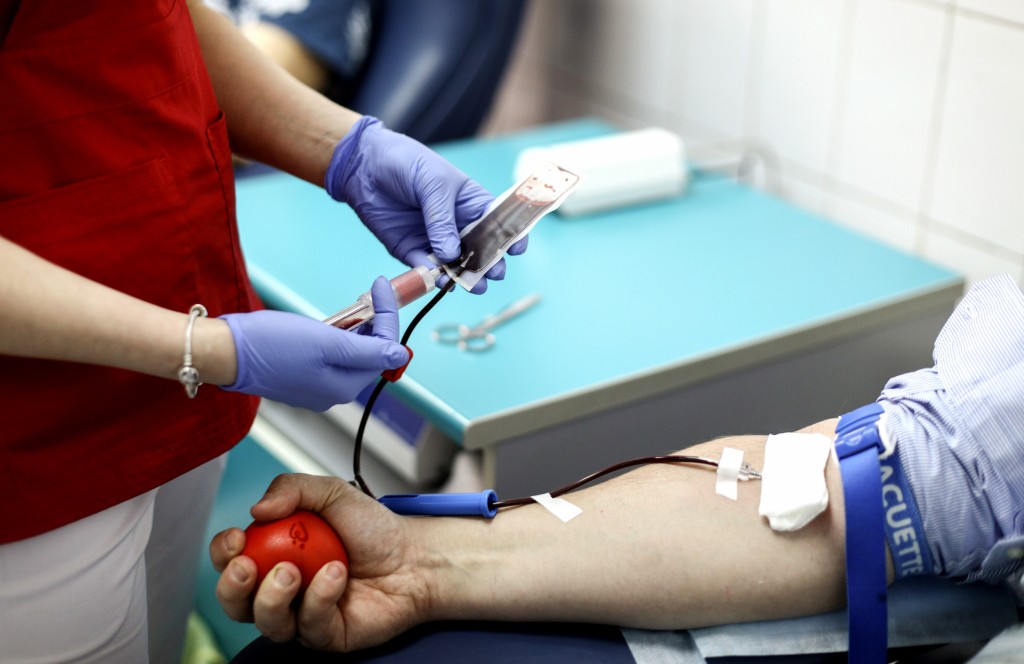
Questions about the donation process often arise among potential donors. Gaining a clear understanding of what to expect can reduce anxiety and enhance the experience. How long does the donation take? Generally, the donation process lasts about 1-2 hours, including the screening phase, though this can vary based on the center and individual circumstances.
Post-donation, taking time to rest is vital. Clients should focus on replenishing their energy and hydrating adequately. Typically, snacks like cookies or juice are provided to assist in recovery. Being aware of these protocols promotes a better donation experience and encourages continued participation. It’s a testament to community engagement—showcasing how an individual’s contribution plays a role in a larger health initiative.
- Follow Medical Guidelines: Always adhere to staff recommendations.
- Stay Informed: Keep abreast of any changes to eligibility or donation guidelines.
- Engage with Staff: Asking questions is encouraged—clarity is crucial.
Ultimately, clients who take part in plasma donation form critical components of a vital supply chain. Every donation is impactful, benefiting both the individual and the broader health community. Knowledge truly is power—understanding how often one can donate plasma enhances the donor’s experience and positively affects the lives touched by their generosity.
FAQ
What happens to my body after donating plasma?
Following donation, the body works quickly to replenish plasma, usually within 24 to 48 hours. Some donors may initially feel fatigued or lightheaded, but most recover promptly with proper hydration and nutrition.
Can multiple plasma donations help with specific medical conditions?
Indeed, regular plasma donations can positively influence conditions like immune deficiencies. The vital proteins and antibodies contained in plasma may help strengthen an individual’s immune response over time.
How does the plasma donation process differ from blood donation?
Plasma donation is focused specifically on harvesting the liquid portion of the blood, while blood donation includes red and white blood cells as well. Plasma donation generally entails a longer duration due to additional screenings and the processing needed for plasma replacement.
Are there any lifestyle changes to consider after donating plasma?
Post-donation, keeping hydrated and maintaining a balanced diet are essential. Avoiding strenuous activities and heavy lifting for at least the remainder of the day can support better recovery.
How is plasma used in medical treatments?
Plasma plays an essential role in developing therapies for a variety of conditions, including hemophilia, burn care, and disorders impacting the immune system. The proteins and antibodies derived from plasma are crucial for creating life-saving medications.
What should I do if I’m feeling unwell on the day of my plasma donation?
If feeling unwell, it’s best to reschedule the donation. Prioritizing one’s health is important, and medical staff can provide guidance regarding when it may be safe to donate again.
Can plasma donation impact long-term donor health?
Participating in regular plasma donation can actually promote certain aspects of a donor’s health, such as immune function and cardiovascular wellness. Professionals point out that when donations are conducted responsibly and within established guidelines, they can be quite beneficial.
Is there a maximum amount of plasma I can donate over time?
Regulations typically limit plasma donation to around 800 milliliters per session, generally allowing for donations every two weeks or up to twice a week depending on health status and local regulations. Regular consultations with medical staff help maintain safe donation practices.
Useful Resources
- American Red Cross– Information on blood and plasma donation, including guidelines, safety protocols, and community impact.
- America’s Blood Centers– A network providing resources on blood donation, plasma donation, and donor health.
- Grifols Plasma– Overview of plasma donation, health benefits, and donation centers nationwide.
- Blood Centers of America– Educational resources about blood donation and its role in medical treatment.
- NOVA PBS– Scientific insights into plasma and its medical uses, aiding understanding of its significance.
- Centers for Disease Control and Prevention (CDC)– Information on the role of plasma in healthcare, including guidelines and health implications.
- U.S. Food and Drug Administration (FDA)– Regulations concerning blood and plasma donation, safety protocols, and eligibility criteria.
- Hema-Queensland– Information on the significance of plasma donation and donor healthcare.
