
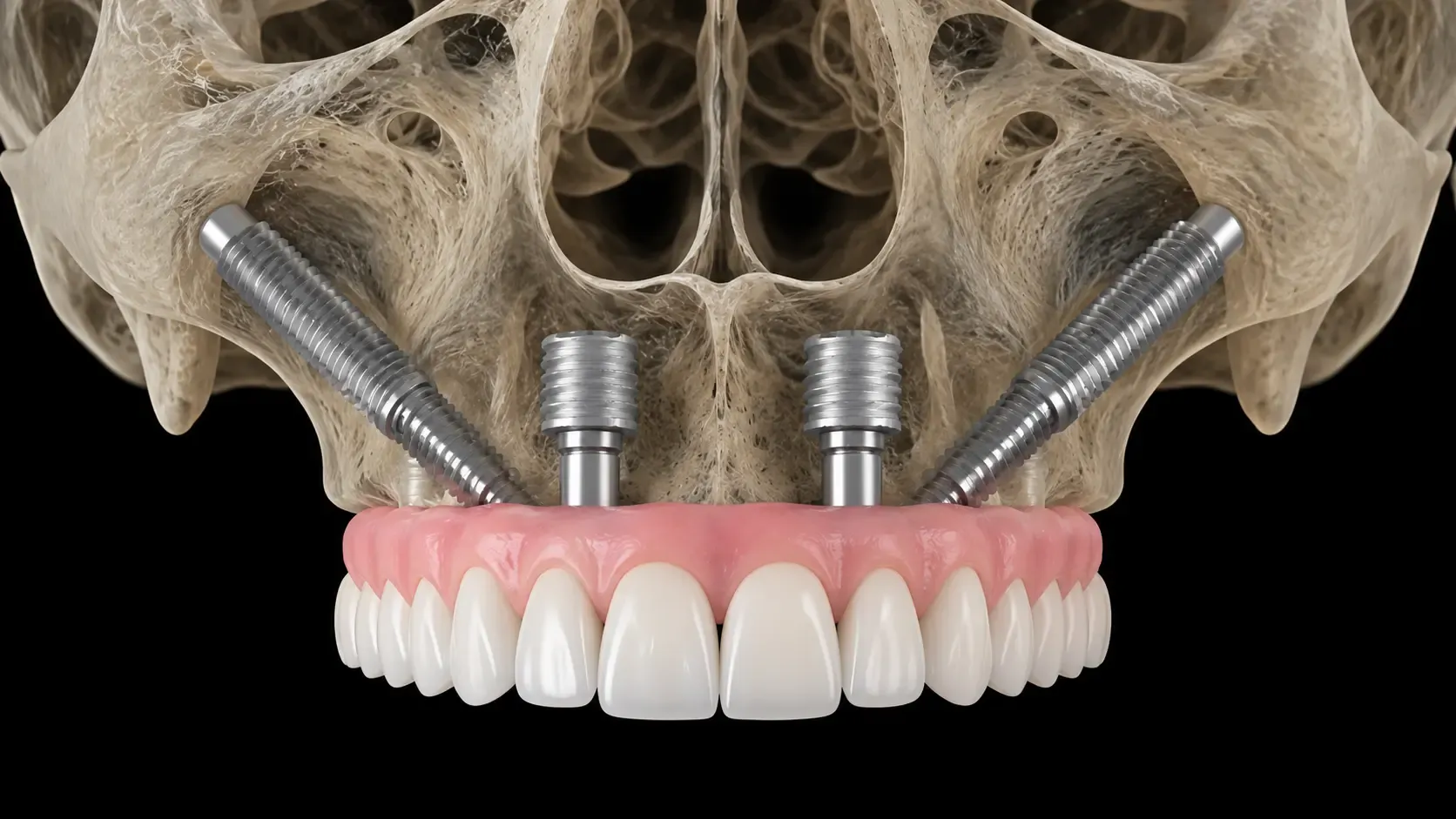


The procedure is done, you are home, and now comes the part nobody really talks about — the waiting. Healing after a dental implant takes time, and for most people, the uncertainty is the hardest bit. What’s normal? What’s not? When should you call your dentist?
The honest answer is that most implants heal without any real issue. But knowing what good healing actually looks like gives you peace of mind — and helps you catch a problem early if one does arise. If you’ve been exploring dental implants Melbourne options, understanding the recovery process is just as important as the procedure itself.
Here are ten signs your implant is heading in the right direction.
1. Swelling That Peaks Early and Then Fades
Expect some swelling for the first two to three days. That’s your body responding to the procedure, not a warning sign. What matters is that it peaks around day two and then gradually reduces. Swelling that keeps climbing after day three is worth a call to your dental team.
2. Bleeding Settles Within 24 Hours
Light bleeding or blood-tinged saliva on the day of surgery is completely expected. Gentle pressure from gauze should bring it under control fairly quickly. If bleeding is still significant after the first day, don’t wait it out — contact your dentist promptly.
3. Pain That’s Manageable and Gets Better Daily
Discomfort after an implant should follow a clear downward trend. Most people manage well with standard over-the-counter pain relief in the first few days. If pain is intensifying rather than easing a week in, that’s a signal something may need attention. Many patients researching cheap dental implants Melbourne options focus heavily on upfront price — but ongoing aftercare and pain management support matter just as much.
4. The Implant Feels Stable in the Jaw
As the weeks pass, a healing implant should feel increasingly solid. No movement, no wobbling when you chew or speak. This stability comes from osseointegration — the process by which the implant gradually fuses with the surrounding jawbone. It’s slow, but when it’s working, you’ll feel it.
5. Gum Tissue Is Closing Neatly Around the Site
Healthy gum tissue will gradually knit together around the implant. The colour should shift from an initial reddish-pink to a consistent, healthy pink over time. If the tissue looks like it’s progressing and closing properly, that’s a good visible indicator of normal healing. This is something your dentist will assess at each follow-up — another reason those appointments matter, regardless of what tooth implants Melbourne procedures cost overall.
6. No Persistent Bad Taste or Smell
A lasting unpleasant taste or smell from the implant site can be an early sign of infection. Healthy healing shouldn’t produce anything noticeably off in this regard. If something doesn’t seem right, get it checked sooner rather than later.
7. No Lingering Fever
A very mild temperature in the first 24 to 48 hours can occur as your immune system responds to surgery. Beyond that window, your temperature should return to normal. A fever that persists or spikes later in the recovery period warrants prompt attention. When weighing up dental implants cost Melbourne against other options, it’s worth factoring in the quality of post-operative care a practice provides — not just the procedure fee.
8. Eating Gets Progressively Easier
Soft foods are non-negotiable in the early days. But as healing progresses, eating should become noticeably more comfortable week by week. If significant pain or sensitivity continues well beyond the first few weeks, raise it with your dentist. Those looking at affordable dental implants Melbourne should ensure the practice includes proper dietary guidance as part of their recovery support.
9. Your Check-Ups Show Good Bone Integration
Your dentist will track osseointegration through scheduled appointments and imaging. When the scans show solid bone contact and stable positioning, that’s the most reliable confirmation that healing is progressing well. Understanding the full cost of dental implants Melbourne patients pay should include these follow-up visits — skipping them, even when you feel fine, is one of the more common mistakes people make.
10. You Stop Thinking About It
This might be the most telling sign of all. Early in recovery, most people are acutely aware of the implant — every sensation, every bite, every moment of pressure. As healing progresses properly, that hyper-awareness fades. The implant starts to feel like a natural part of your mouth. That quiet shift is a genuinely good sign that everything is settling in as it should.
Final Thoughts
Dental implants are one of the more reliable long-term solutions in modern dentistry — but they only deliver on that promise when the healing process is respected. The ten signs above aren’t meant to make you hyper-vigilant about every twinge and sensation. They’re meant to give you a realistic picture of what normal looks like, so you can relax into the recovery with confidence rather than anxiety.
Most people sail through without any significant complications. The ones who tend to run into trouble are those who rush the process, skip follow-up appointments, or ignore early warning signs because they don’t want to make a fuss. Don’t be that person.
If something feels off at any point — trust that instinct and pick up the phone. A good dental practice would far rather hear from you unnecessarily than have you sit on something that needed attention two weeks ago. Recovery done right sets the foundation for an implant that lasts decades. That’s worth protecting.