

Losing a tooth — whether through an accident, decay, or simply time — affects more than just your appearance. It changes how you eat, how you speak, and quietly, how confident you feel in everyday situations. For a long time, the options were limited to dentures or bridges. Neither was perfect. Both came with compromises most people just learned to live with.
That’s changed considerably. Modern dental implants have shifted the standard of what’s possible, and more Australians are choosing them as a long-term solution rather than a temporary fix.
What Makes Implants Different
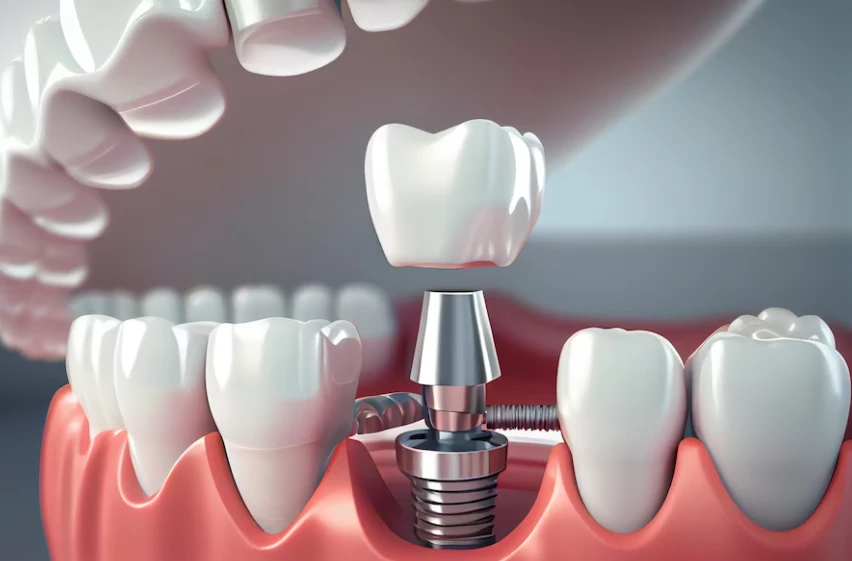
Unlike dentures that sit on the gum or bridges that rely on adjacent teeth for support, implants work from the inside out. A small titanium post is placed directly into the jawbone, where it gradually fuses with the surrounding bone through a process called osseointegration. Once that bond is established, a custom crown is attached on top.
The result is a replacement tooth that:
- Functions like a natural tooth when biting and chewing
- Doesn’t shift, slip, or require adhesive
- Doesn’t put pressure on neighbouring teeth
- Preserves the jawbone, which typically deteriorates after tooth loss
- Can last decades with proper care
That last point is worth sitting with. Most dental restorations need replacing or adjusting over time. A well-placed implant, looked after properly, can genuinely last a lifetime.
The Technology Behind the Results
The improvement in implant outcomes over the past decade isn’t accidental. Advances in digital imaging, 3D treatment planning, and implant design have made placement more precise and recovery more predictable.
Many practices now use cone beam CT scanning to map the exact structure of a patient’s jawbone before any procedure begins. This allows the dentist to plan placement down to the millimetre, reducing surgical time and improving accuracy considerably.
For patients exploring Dental Implants Sydney options, this level of planning is increasingly standard rather than exceptional — which is a good thing for outcomes across the board.
Who Is a Candidate?
Most adults in good general health are suitable candidates for implants, but a few factors influence whether the timing is right:
- Bone density: Sufficient jawbone is needed to support the implant. Patients who’ve had missing teeth for some time may require a bone graft first.
- Gum health: Active gum disease needs to be treated before implant placement.
- Systemic health: Conditions like uncontrolled diabetes can affect healing and are assessed on a case-by-case basis.
- Smoking: It doesn’t disqualify you, but it does increase the risk of complications and affects healing time.
A thorough assessment before treatment is non-negotiable. Anyone researching affordable dental implants Sydney should look for a practice that takes this step seriously rather than rushing to a treatment plan.
Single Implants vs Full Arch Solutions
Implants aren’t a one-size-fits-all treatment. The options vary depending on how many teeth need replacing:
- Single tooth implant: One post, one crown. The most straightforward case.
- Implant-supported bridge: Two implants supporting a bridge across a gap of two or three missing teeth.
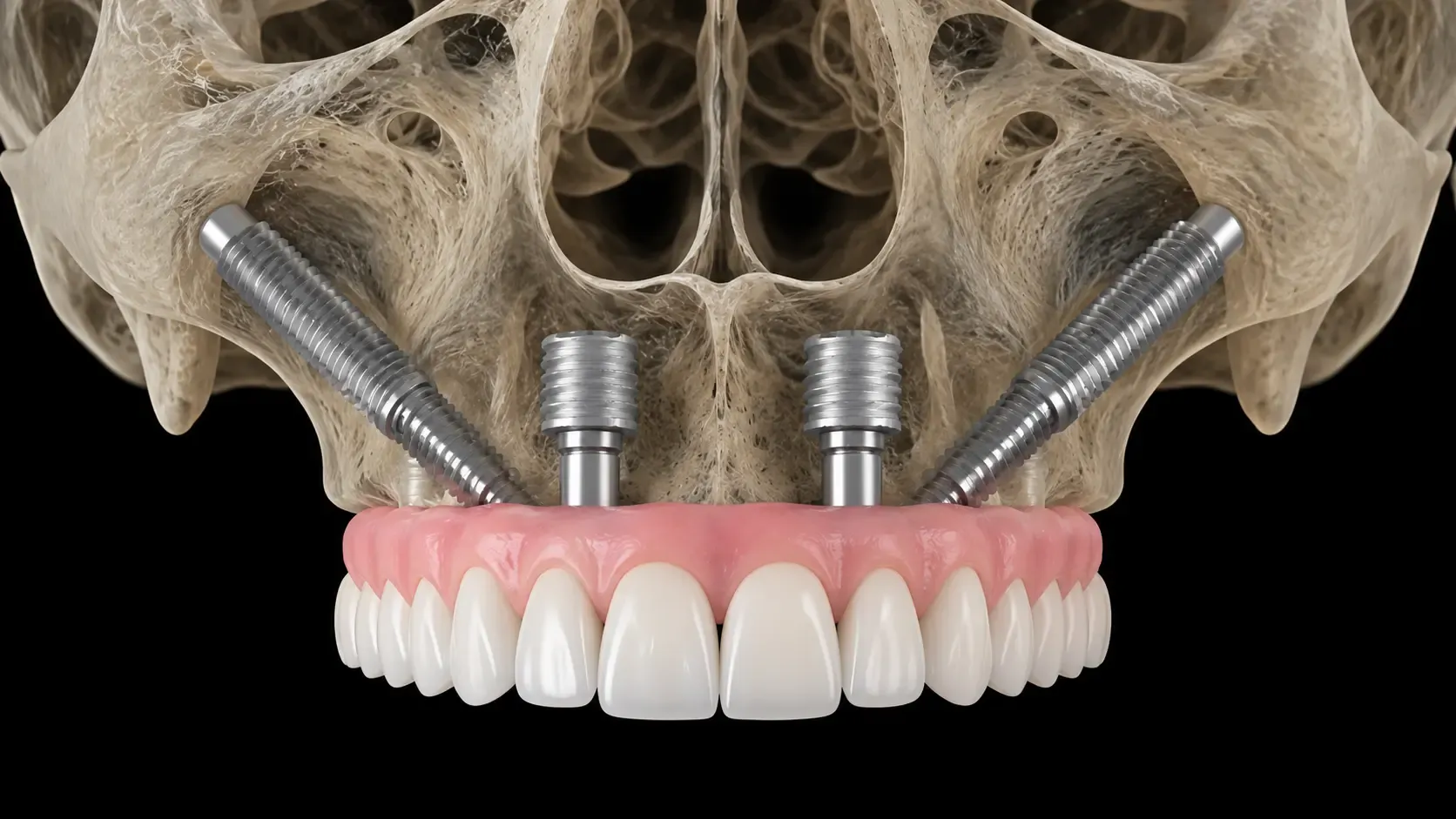
- All-on-4 or All-on-6: A full arch of teeth supported by four or six strategically placed implants. A significant procedure, but one that can restore an entire smile in far fewer appointments than replacing each tooth individually.
Understanding which option suits your situation — and what each involves — is something worth discussing in detail at your consultation. Patients comparing tooth implants Sydney solutions often find that the right approach depends as much on their jawbone structure and overall health as it does on personal preference.
The Cost Conversation
It would be dishonest to discuss implants without acknowledging that cost is a real consideration for most people. Implants sit at a higher price point than dentures or bridges upfront, and that can feel like a barrier.
What often gets overlooked is the longer-term picture. Dentures and bridges typically need replacing or adjusting every five to ten years. Implants, by contrast, are designed to last. When you factor in the cumulative cost of alternatives over a decade or two, the gap narrows considerably.
Many practices offer payment plans to make treatment more accessible. Those looking into dental implants cost Sydney will find that financing options are now widely available, making it easier to spread the investment over time. Patients researching cheap dental implants Sydney should be cautious of unusually low pricing — the quality of the implant components and the experience of the placing dentist both matter enormously to the long-term outcome.
For those weighing up Sydney dental implants as an option, a transparent, itemised quote from a reputable practice is always the right starting point.
Final Thoughts
Dental implants aren’t the right solution for everyone, and they’re not something to rush into. But for people who are suitable candidates and prepared to invest in a long-term result, they represent the closest thing modern dentistry has to replacing a tooth properly. Not just filling a gap, but restoring function, confidence, and quality of life in a way that holds up over time.
That’s worth knowing — whatever your next step looks like.

