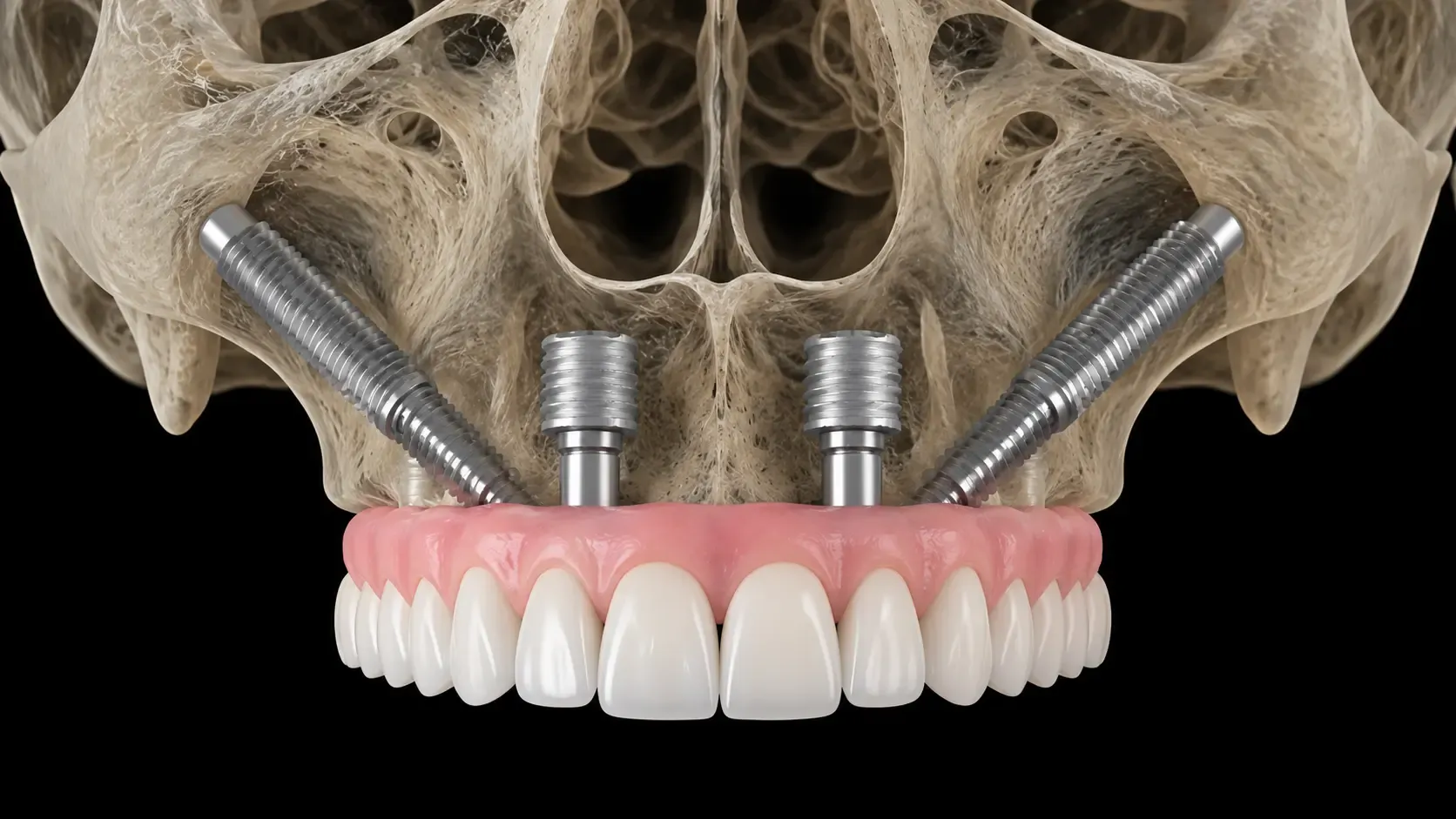


Dental implant treatment has moved well beyond the older idea of a single standard material and a one-size-fits-all approach. While titanium remains the most established option, modern implant dentistry now includes zirconia, titanium-zirconium alloys, and improved restorative materials that support better strength, aesthetics, and treatment planning. Recent implant reviews and manufacturer-led scientific summaries describe a clear shift towards biocompatible alternatives, material refinement, and more streamlined systems that help clinicians deliver treatment with greater precision and flexibility.
A broader range of implant materials
For many years, titanium set the standard because it is strong, corrosion-resistant, and well known for integrating with bone. That has not changed. What has changed is the growing interest in alternatives and modified alloys that aim to improve performance in specific situations. Titanium-zirconium alloys, for example, are being highlighted for their strength and biocompatibility, while zirconia implants continue to attract attention for patients and clinicians who prioritise aesthetics and metal-free options.
This matters because patients today are more informed and more selective. Someone researching dental implants Sydney may not just want to know whether implants work. They may also want to understand what they are made from, how natural they will look, and whether newer options offer any real advantage for their needs.
Why zirconia is drawing more attention
Zirconia has become one of the most talked-about materials in modern implant dentistry. It is often valued for its tooth-coloured appearance, which can be useful in aesthetic areas or in patients with a thin gum biotype where grey metal may be more noticeable. Recent long-term reporting has also supported zirconia as a clinically reliable and aesthetically acceptable alternative to titanium, while still noting that larger studies are useful for continued confirmation.
That does not mean zirconia is replacing titanium across the board. Instead, it reflects a broader shift towards material choice. Dentists now have more ways to tailor treatment according to the location of the implant, the patient’s smile line, their bite forces, and their long-term goals.
Stronger alloys and smarter design
Another major development is the use of titanium-zirconium alloys. These materials are being discussed because they combine the familiar track record of titanium with added mechanical benefits. Scientific reporting featured by Straumann in 2025 noted significantly higher osteoblastic cell adhesion on titanium-zirconium alloy implants than on commercially pure titanium in one in vitro study, pointing to why these materials are getting attention in implant design.
For patients looking into tooth implants Sydney, this sort of development can translate into more treatment flexibility. Stronger materials may help clinicians plan for narrower spaces or more demanding restorative cases without relying on the same older limitations that shaped implant treatment years ago.
Materials are changing the restoration side too
It is not only the implant fixture itself that is evolving. The materials used for crowns, bridges, and implant-supported restorations are also improving. Monolithic zirconia and other advanced restorative materials are being used more often because they can support durability while still delivering a more natural appearance. Research highlighted by implant manufacturers has examined zirconia restorations on titanium-zirconium implants and compared different finishing approaches, reflecting the growing emphasis on both function and soft tissue health around the final restoration.
This is important because successful implant treatment is not just about placing an implant into bone. It is about building a final result that looks right, feels stable, and performs well in daily life. Newer restorative materials are helping support that outcome.
Better materials can support better efficiency
Material innovation is also tied to implant-system simplification. Manufacturers are increasingly moving towards systems that are easier to plan, easier to restore, and better integrated with digital workflows. Reviews published in 2025 describe a shift from traditional titanium-only concepts towards broader material choices alongside digital dentistry, 3D planning, and more patient-centred treatment pathways.
That has practical value for patients comparing dental implants cost Sydney. While price always matters, modern materials and simplified systems can also influence efficiency, treatment stages, and the long-term quality of the result. In other words, value is not only about the initial fee. It is also about durability, planning accuracy, and whether the treatment is suited to the person receiving it.
What this means for patients
For patients, the biggest takeaway is that modern affordable dental implants Sydney treatment is more adaptable than it used to be. A dentist may now consider different material combinations based on appearance, strength requirements, gum conditions, and the restorative plan. That makes treatment feel more personalised and less generic.
If you’re looking for cheap dental implants Sydney, understand what’s added in the quote and don’t compromise the quality. The material used, the complexity of the case, and the quality of the restoration all play a role in what treatment involves and how well it may perform over time.
A more modern standard of care
New dental implant materials are changing modern treatment by giving clinicians more options and patients more tailored outcomes. Titanium still has a central role, but zirconia, titanium-zirconium alloys, and advanced restorative materials are expanding what is possible. Combined with digital planning and simplified implant systems, these developments are helping create treatment that is not only more precise, but also more flexible, aesthetic, and patient-focused than before.