

Introduction
Physiotherapy has long been regarded as one of the most effective approaches to restoring movement, alleviating pain, and enhancing quality of life. As a clinical discipline, it combines medical knowledge, scientific principles, and personalized exercises to address a wide spectrum of conditions. Whether recovering from surgery, managing chronic pain, or seeking to improve mobility, physiotherapy provides a structured, evidence-based pathway toward healing and independence. Its significance lies not only in treatment but also in prevention, making it an essential component of modern healthcare.
This comprehensive guide explores the healing science of physiotherapy, its benefits across different populations, and how it continues to transform lives worldwide. Readers seeking to learn more can find out more about tailored physiotherapy programs and specialized care options, particularly in locations such as physiotherapy in Campbelltown.
The Science Behind Physiotherapy
Physiotherapy is rooted in a combination of anatomy, physiology, biomechanics, and rehabilitation sciences. Treatments are carefully designed to support the body’s natural healing process. Unlike generalized fitness regimens, physiotherapy employs targeted interventions that consider the patient’s medical history, physical limitations, and goals.
Core Principles
- Assessment and Diagnosis – Thorough evaluation of musculoskeletal and neurological systems.
- Individualized Treatment – Plans tailored to unique needs and recovery stages.
- Evidence-Based Practice – Integration of the latest research with proven clinical techniques.
- Prevention and Education – Equipping patients with knowledge to avoid recurrence of injuries.
Conditions Treated Through Physiotherapy
Physiotherapy encompasses a broad range of treatments designed to help individuals across different age groups and health challenges. Commonly addressed conditions include:
- Orthopedic Injuries: Fractures, sprains, joint replacements, and post-surgical recovery.
- Neurological Disorders: Stroke rehabilitation, multiple sclerosis, and Parkinson’s disease management.
- Chronic Pain: Back pain, arthritis, and long-term musculoskeletal conditions.
- Sports Injuries: Tendonitis, ligament tears, and performance optimization for athletes.
- Pediatric Issues: Developmental delays, posture correction, and motor skill improvement.
- Geriatric Concerns: Balance, fall prevention, and mobility support for seniors.
Techniques and Modalities in Physiotherapy
Modern physiotherapy combines manual therapy with advanced modalities to accelerate healing and restore function. Key techniques include:
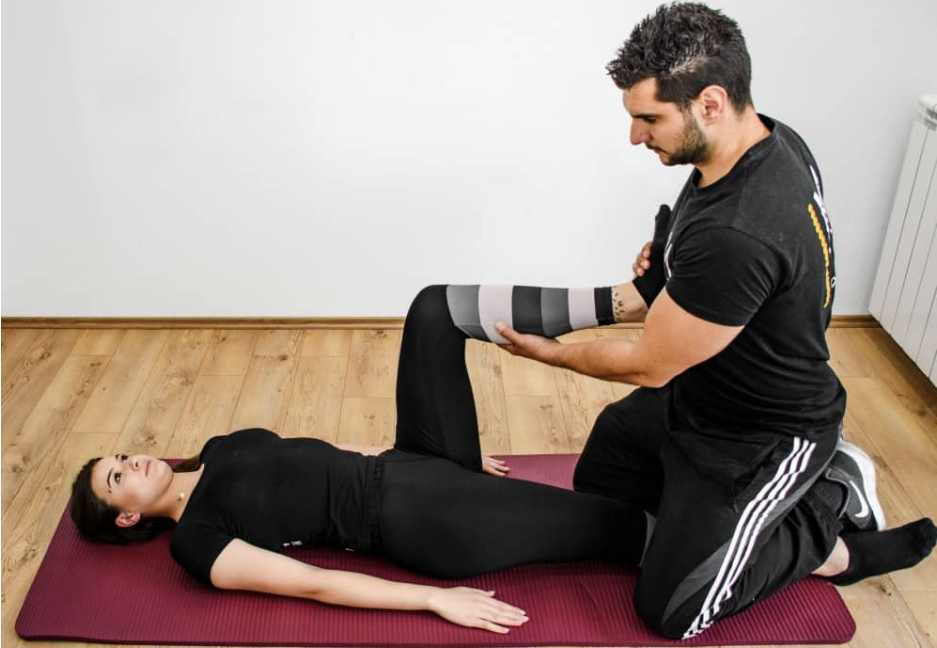
- Manual Therapy: Hands-on mobilization, joint manipulation, and soft tissue release.
- Therapeutic Exercise: Customized routines to strengthen muscles, improve flexibility, and enhance endurance.
- Electrotherapy: Use of ultrasound, TENS, and electrical stimulation to reduce pain and inflammation.
- Hydrotherapy: Exercises conducted in water to support low-impact rehabilitation.
- Posture and Ergonomic Training: Corrective strategies for workplace or lifestyle adjustments.
The Role of Physiotherapy in Pain Management
Chronic pain is one of the leading reasons patients seek physiotherapy. By addressing the root cause rather than masking symptoms, physiotherapy empowers patients to regain control of their daily lives.
Benefits for Pain Relief
- Reduction in reliance on long-term medication.
- Improved mobility and flexibility.
- Enhanced blood circulation and tissue healing.
- Education on posture and body mechanics to prevent recurrence.
Physiotherapy for Athletes and Active Lifestyles
For athletes, physiotherapy is vital in both prevention and recovery. Sports-specific training programs ensure that injuries heal correctly while minimizing downtime. This specialized care optimizes biomechanics, reduces the likelihood of re-injury, and enhances overall performance. From recreational players to elite professionals, physiotherapy provides the scientific framework for sustained physical health.
Rehabilitation After Surgery and Injury
Post-surgical rehabilitation is one of the most critical aspects of physiotherapy. Without structured support, recovery can be incomplete or prolonged. Physiotherapists design progressive programs that rebuild strength, restore balance, and minimize scar tissue formation. This process significantly reduces the risk of complications and accelerates return to normal activities.
Preventive Value of Physiotherapy
Beyond treatment, physiotherapy plays a significant preventive role. Regular sessions can detect early signs of musculoskeletal stress and correct them before they evolve into major issues. Preventive physiotherapy is especially important for individuals with sedentary jobs, athletes, and seniors prone to falls.
Psychological and Emotional Benefits
Physiotherapy extends far beyond the physical body. Patients often experience significant improvements in mood, confidence, and emotional well-being. Regaining independence after injury or illness restores self-esteem and reduces anxiety. The holistic approach ensures healing at both the physical and psychological level.
Why Physiotherapy in Campbelltown Is Growing in Demand
Communities such as Campbelltown have witnessed an increasing demand for physiotherapy due to its life-changing results. Professional clinics in the region provide evidence-based care tailored to residents’ needs, from sports rehabilitation to chronic pain management. By choosing specialized physiotherapy in Campbelltown, patients gain access to modern facilities, expert therapists, and individualized recovery plans that set a high standard in healthcare delivery.
How to Choose the Right Physiotherapy Program
Selecting the right physiotherapy program depends on individual goals and health conditions. Important considerations include:
- Credentials and expertise of the therapist.
- Availability of modern equipment and facilities.
- Specializations in orthopedic, neurological, or sports physiotherapy.
- Proven patient outcomes and testimonials.
- Accessibility and personalized care plans.
Conclusion
Physiotherapy stands as a cornerstone of modern rehabilitation and wellness. Its unique integration of science, expertise, and patient-centered care delivers lasting results for people of all ages. From injury recovery to preventive health strategies, it remains indispensable in promoting independence, confidence, and long-term vitality. To explore tailored treatment options, readers can find out more about specialized programs and facilities, including advanced physiotherapy in Campbelltown.
