

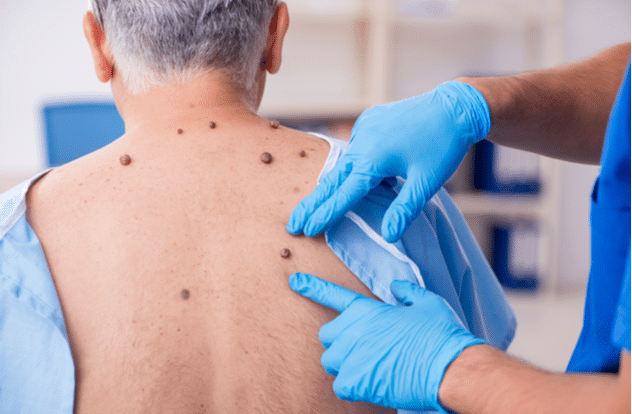
Although skin cancer is the maximum not unusual sort of cancer within the global, it is quite curable if caught early. The type, level, and preferred fitness of the patient all have a good sized effect on how well a therapy works. In order to provide the greatest effects, Wall Dermatology presents a large choice of treatments which are custom designed to fulfill the particular requirements of each patient.
Surgical Procedures
The initial course of remedy for skin most cancers is often surgery. To guarantee that every one malignant cells are removed, the tumor and a margin of healthful tissue should be removed. Common surgical strategies include Mohs micrographic surgical procedure, which removes the most cancers layer via layer and examines each layer beneath a microscope until no atypical cells are left behind, and excisional surgical procedure, which eliminates the tumor along side some surrounding tissue. With its awesome therapy costs and little scarring, this method works particularly well for squamous and basal cell carcinomas.
Radiation Treatment
Radiation treatment could be suggested for people who are unable to have surgery or whose cancer has spread to other areas of their body. High-energy radiation is used in this therapy to target and kill cancer cells. In regions like the nose or ears where surgery may be challenging, it may be very helpful in treating squamous cell carcinoma and basal cell carcinoma. After surgery, radiation treatment may be used to eradicate any cancer cells that may have remained and lower the chance of recurrence.
Topical Interventions
Medication is applied directly to the skin lesion as part of topical therapy. These are usually used to actinic keratosis or superficial basal cell carcinoma. Drugs such as imiquimod and fluorouracil function by either boosting immunity or preventing the development of cancer cells. For certain forms of skin cancer, these less invasive procedures may be successful, providing patients with a practical choice with less recovery time.
Chemotherapy
Typically, more advanced instances of skin cancer—especially melanoma that has spread to other body parts are treated with chemotherapy. It employs medications to either inhibit the proliferation of rapidly proliferating cancer cells or destroy them. Chemotherapy may be beneficial, but since it affects healthy cells, it often has a number of negative consequences. Before suggesting chemotherapy to our patients, we at Wall Dermatology thoroughly weigh the possible advantages and disadvantages.
Immunotherapy
A new treatment called immunotherapy uses the body’s immune system to combat cancer. It works very well for advanced melanoma and some squamous cell carcinoma patients. Pembrolizumab and nivolumab are two examples of drugs that function by inhibiting the proteins that stop immune cells from attacking cancer cells. The survival rates of individuals with advanced skin cancer have improved as a consequence of these therapies.
PDT, or photodynamic therapy
Applying a photosensitizing chemical to the skin, which is then triggered by a certain light wavelength, is the process of photodynamic treatment. This procedure minimizes harm to nearby healthy tissue while eliminating malignant cells. Actinic keratosis and superficial basal cell carcinoma are the two main conditions treated with PDT. With a comparatively short recovery period, it provides a non-invasive substitute.
The use of cryotherapy
By utilizing liquid nitrogen to freeze the malignant tissue, cryotherapy kills the cells. Small, superficial skin malignancies and precancerous lesions are usually treated using this technique. Certain individuals find cryotherapy to be a handy alternative since it is a rapid process with no pain.
Focused Treatment
Drugs that at once target the genetic alterations or abnormalities visible in cancer cells are used in focused remedy. Targeted treatments, like BRAF inhibitors, have proven a hit in treating skin cancer, specially melanoma, while the tumors incorporate sure genetic abnormalities. Compared to standard chemotherapy, these remedies can also provide a more individualized route of remedy with fewer unfavourable outcomes.
Tailored Therapy Programs
We at Wall Dermatology are aware that every patient’s circumstances are different. Our team of professionals performs comprehensive assessments to identify the best course of therapy based on the patient’s general health, the kind and stage of their particular skin cancer, and other factors. We guarantee that our patients get the best and most appropriate therapies available since we believe in a tailored approach to care.
Conclusion
The kind and stage of the disease, as well as the patient’s general condition, all influence the best course of therapy for skin cancer. From surgical procedures to cutting-edge therapies like immunotherapy and targeted treatments, Wall Dermatology provides a wide variety of treatment choices. In order to guarantee the greatest results for our patients, our staff is committed to provide individualized treatment. Call Wall Dermatology right now to arrange an appointment if you need a professional assessment or have skin cancer concerns.
This post was written by a professional at Wall Dermatology. Wall Dermatology, led by Dr. Weston Wall, a fellowship-trained Mohs surgeon, is a premier dermatology practice dedicated to excellence in skin care. Born and raised in St. Petersburg, Dr. Wall is deeply committed to serving his community with expert medical, surgical, and cosmetic dermatology services. Specializing in skin cancer removal Largo FL, detection, and treatment, Wall Dermatology combines cutting-edge techniques with a compassionate, patient-first approach. With decades of experience, Dr. Wall and his team prioritize personalized care, ensuring each patient feels valued and confident in their skin health. Trust Wall Dermatology for expert, compassionate, and comprehensive dermatologic care.
